
- Home >
- Health and lifestyle >
- Textile toxicity: fashion versus health
Textile toxicity: fashion versus health
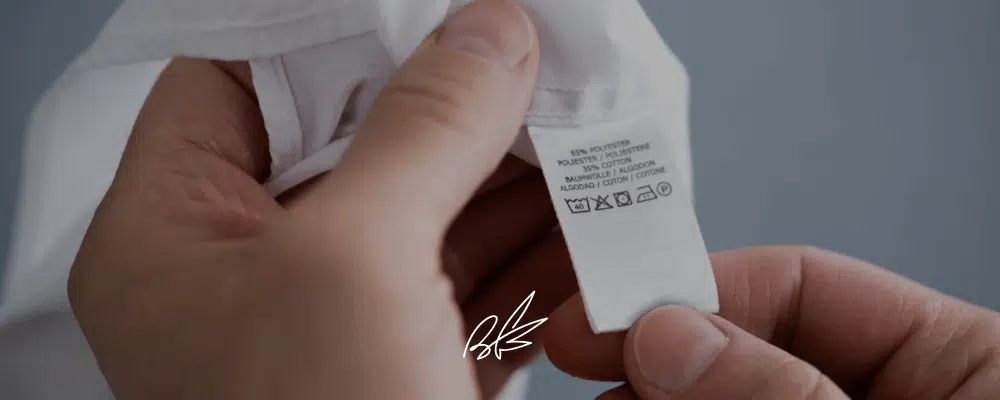
Textile toxicity is a topic that is emerging as a key issue with the growing interest in sustainable living and ecological and natural production. Chemicals used in the production of clothing have an impact not only on the environment but also on the health of consumers. Many of us do not realise that the clothes we wear every day can contain dangerous chemicals that affect not only our health but also the environment. In fact, over 60% of our garments contain polyester. This begs the question: natural or synthetic fabrics - which is better for our skin and our health?
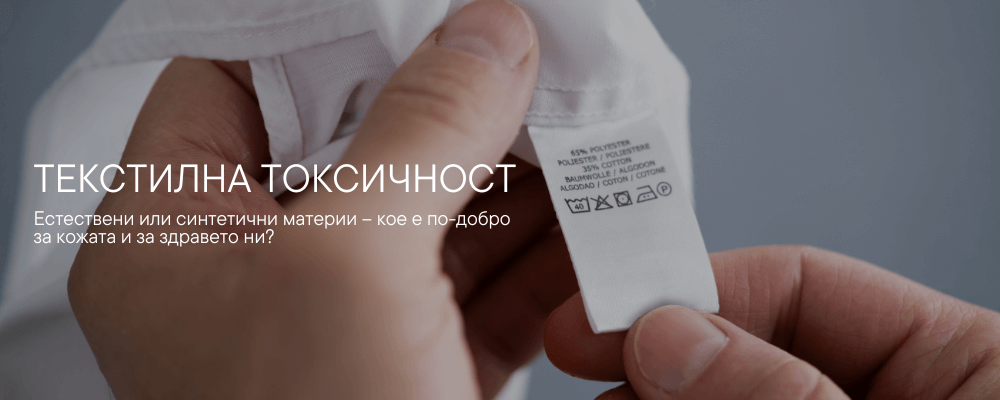
Synthetic fabrics and their contribution to textile toxicity
Synthetic fabrics such as polyester, nylon, acrylic and elastane are widely used in the fashion industry for their durability, low cost to produce and variety of uses, which puts them at the top of the textile industry. However, they are often the main source of toxic chemicals in garments.
Production process:
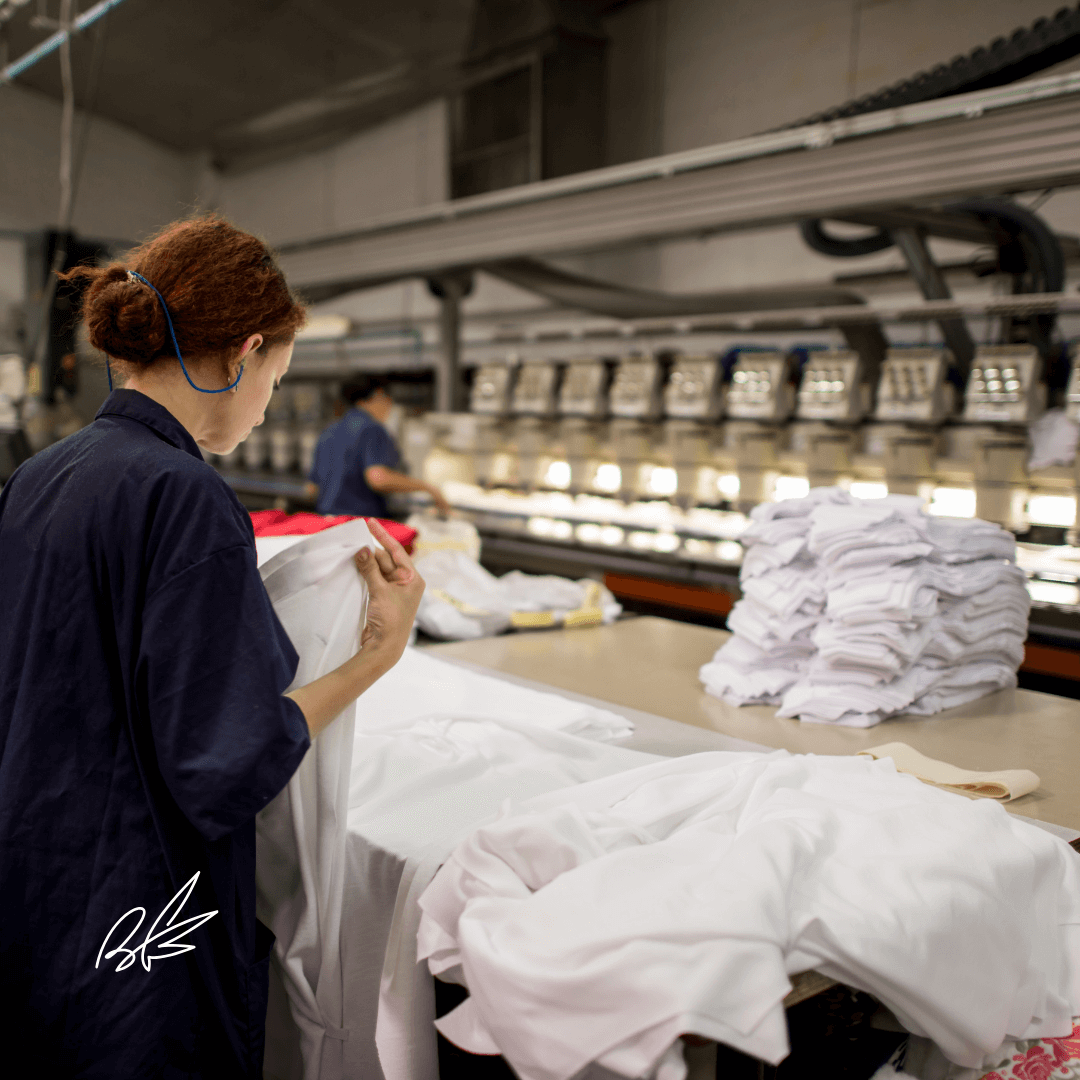
The production of synthetic fabrics requires the use of petroleum derivatives and a range of chemicals including phthalates, lead and perfluorinated compounds (PFAS). These substances provide water resistance, elasticity and colour brightness, but often remain as residual compounds in the final product, which is part of the problem of textile toxicity.
Effect on the skin:
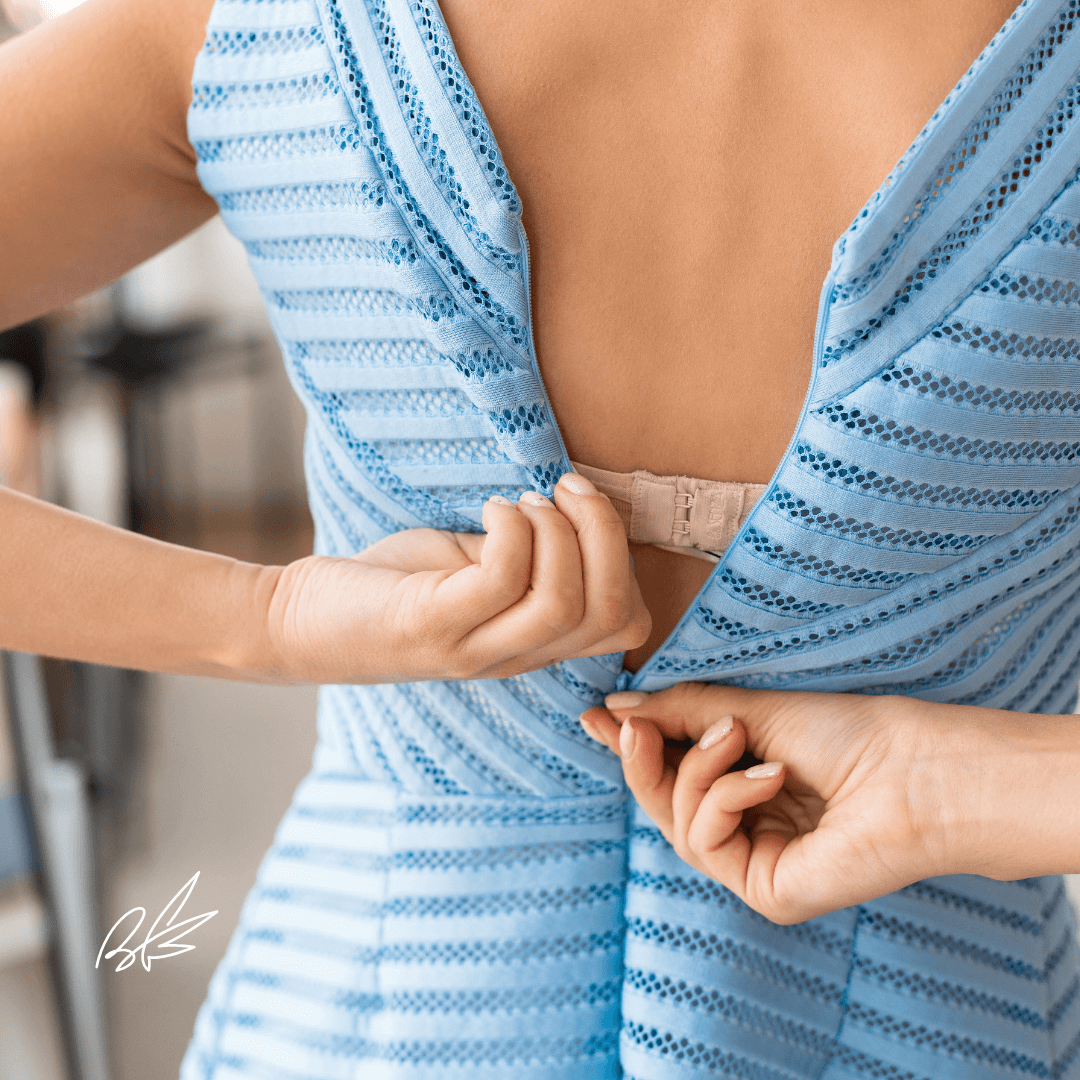
Many of these chemicals in clothing can be released during wear, especially when they come into contact with sweat or high temperatures. This increases the risk of skin irritation and allergic reactions with long-term contact.
Contamination during washing:
Besides the direct negative impact on consumers, synthetic fabrics release microplastics during washing. These microscopic particles cannot be filtered out in sewage treatment plants and eventually reach the seas and oceans, where they cause serious damage to the marine ecosystem.
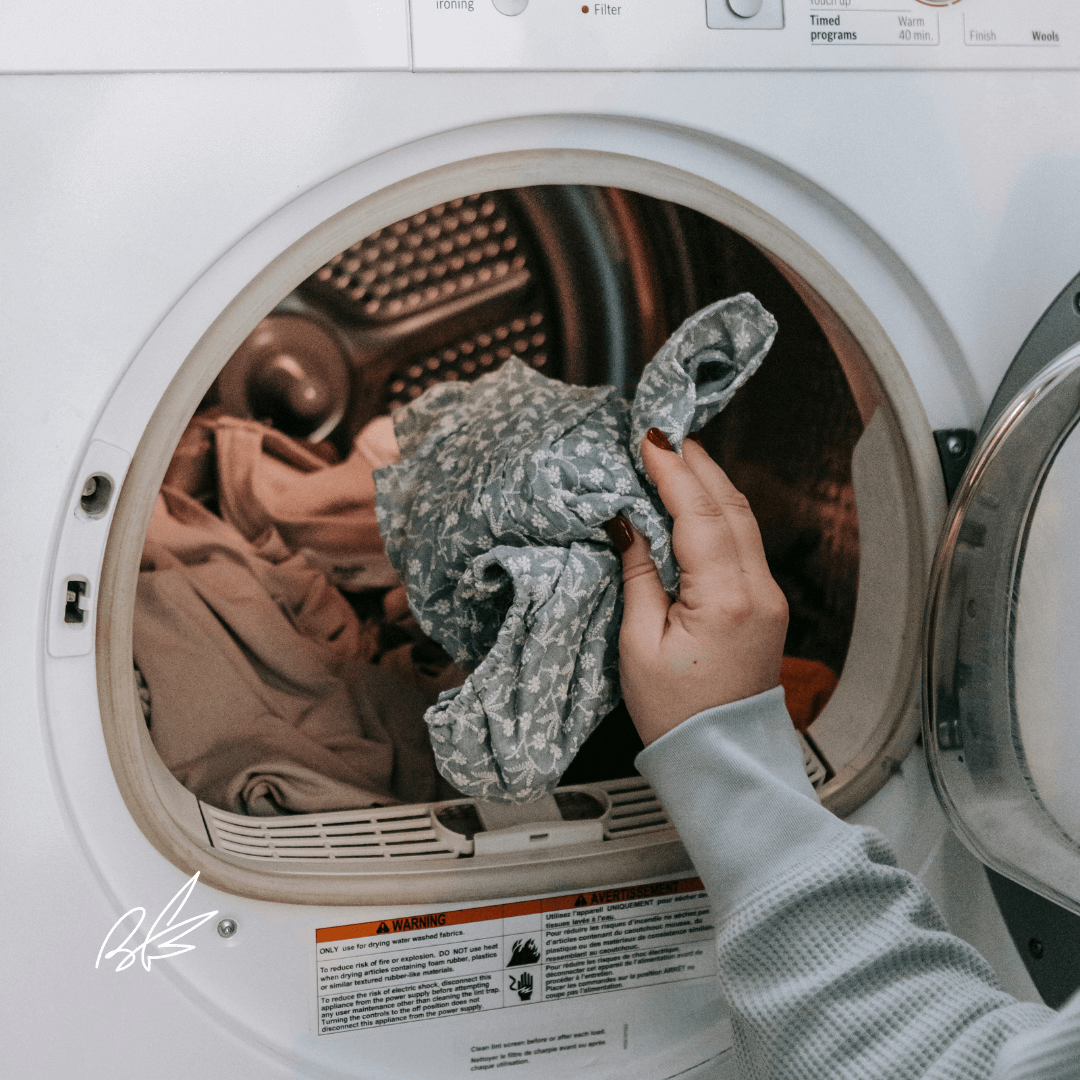
3 fabrics to avoid
-
- Polyester
One of the most common but also the most dangerous synthetic fibre, which is petroleum-based and produced using dihydric alcohol and terephthalic acid - both are extremely toxic and continue to be present after production. This can lead to problems such as dermatitis and respiratory infections. - Acrylic
Again petroleum-based, it is highly flammable and contains a chemical that has been declared carcinogen and mutagen. In addition, when worn regularly, it can cause rashes, headaches, kidney problems and difficulty breathing. - Nylon
Again made from petroleum and heavily treated with chemicals, it is often used for linen fabrics. It does not absorb sweat and causes headaches, allergies and dizziness. It is often treated to be „anti-wrinkle“ or „waterproof“, but also needs to try to avoid fabrics with specific treatments because they are all made with chemicals.
- Polyester
Health impact of textile toxicity and how to protect your skin

The skin is the largest organ of the body and the first barrier against external influences. When we wear clothes made with toxic chemicals, these substances can penetrate the skin, especially with perspiration or prolonged contact. Common problems include:
-
- Skin irritations and allergic reactions - caused by residual chemicals such as dyes and formaldehyde.
- Dry and sensitive skin - the result of prolonged exposure to synthetic fabrics that do not allow the skin to breathe.
In response to the challenges associated with textile toxicity, choosing the right skin care becomes extremely important. Here comes the role of natural products such as BulCanna's SKIN Repair Balm.
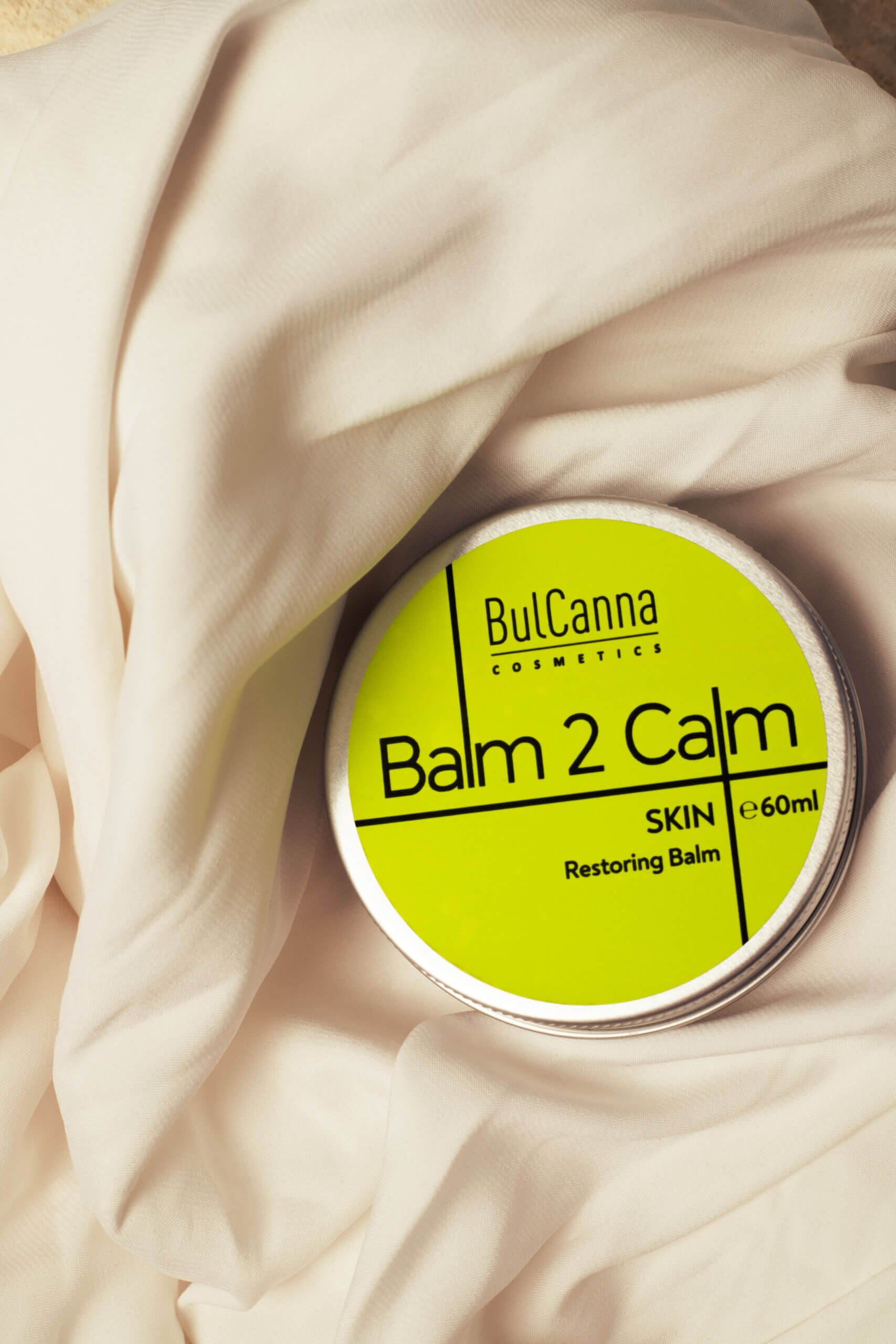
Why is SKIN balm ideal for sensitive skin?
Made entirely from natural ingredients, the balm is suitable for skin irritated by contact with toxic materials. Thanks to its rich formula, which includes seed oil, the product:
-
- Hydrates deeply and restores the skin's natural balance.
- Soothes redness and irritation caused by harsh external factors.
- Creates a protective layer that prevents further irritations.
Natural care without compromise
Unlike standard cosmetic products, which may contain synthetic preservatives or fragrances, the SKIN balm helps keep your skin in contact only with gentle, nourishing ingredients. This makes it an excellent choice for people with sensitive or irritated skin, and at the same time it stands up to textile toxicity.
What else can you do as consumers?
- Choose clothes made from organic cotton or sustainable materials like bamboo.
- Wash new clothes before first use to reduce chemicals on the surface.
- Support brands with a transparent sustainability policy.
- Search tags like GOTS (Global Organic Textile Standard) и OEKO-TEX, to ensure that the products are safe.
Conclusion
Textile toxicity is a problem that affects us all. By taking small but conscious steps, we can help reduce the risk to our health and the damage to the environment. As the industry works to make changes, our consumption habits can be a catalyst for a greener future. Whatever you do, make sure you ask questions about what comes into contact with your skin. With recent discoveries about the effects of synthetic fabrics and dyes, we are no longer protected from fast fashion, but exposed to its effects every second of the day. Choose natural care.