
- Home >
- Sleep and recovery >
- Understanding the Circadian Rhythm - The Internal Body Clock
Understanding the Circadian Rhythm - The Internal Body Clock

The circadian rhythm, often referred to as the body's internal clock, is essential for regulating various physiological processes. This 24-hour cycle, influenced by external factors such as light and temperature, governs our sleep and wake patterns, hormone release, eating habits, and body temperature. Understanding circadian rhythms is essential to appreciating how our bodies function optimally and what the impacts of disruptions are on our health.
The science behind the circadian rhythm
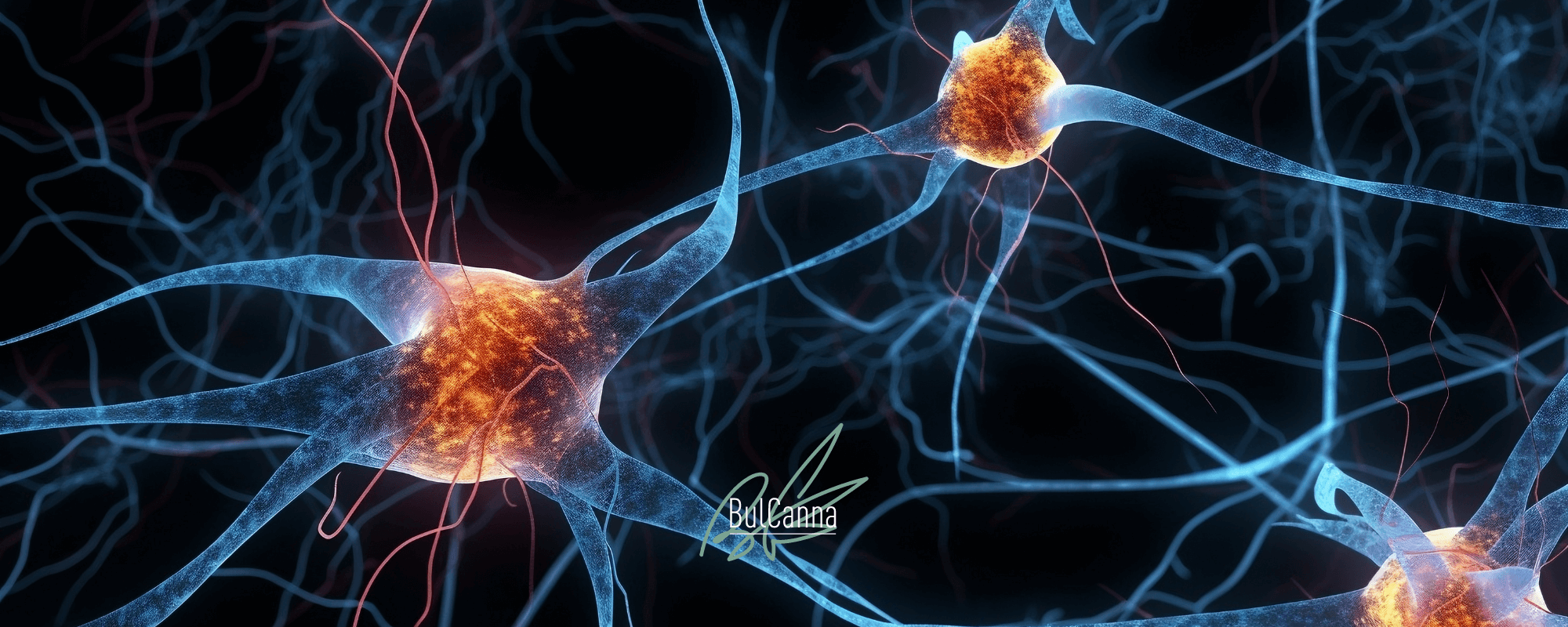
The basis of the circadian rhythm is suprachiasmatic nucleus (SCN), a group of approximately 20 000 neurons located in the hypothalamus of the brain. The SCN receives direct input from the eyes, allowing it to synchronize with the external environment, especially the light-dark cycle. This synchronization ensures that physiological processes occur at the most opportune times during the day.
Basic functions regulated by the circadian rhythm
- The sleep-wake cycleA: Perhaps the most famous aspect of the circadian rhythm is its regulation of the sleep-wake cycle. The hormone melatonin, produced by the pineal gland, plays a key role in this process. Melatonin levels rise in the evening, promoting sleep, and fall in the morning, helping us to wake up. According to National Institute of General Medical Science, disturbances in this cycle can lead to sleep disorders such as insomnia.
- Release of hormonesA: Rhythm affects the timing of hormone release. For example, Cortisol, known as the stress hormone, usually peaks early in the morning to help us wake up, and gradually decreases throughout the day. Centres for Disease Control and Prevention note that a discrepancy in cortisol release can affect stress levels and overall health.
- Body temperatureA: Our body temperature varies throughout the day, reaching its lowest point early in the morning and its peak in the late afternoon. This variation helps regulate sleep and wakefulness, according to a study by Harvard Medical School.
- Metabolism and digestion: Циркадният ритъм засяга нашия метаболизъм и храносмилателни процеси. Храненето в нередовни времена или през нощта може да наруши тези ритми, водейки до метаболитни проблеми и наддаване на тегло.

Disorders and health consequences
Circadian rhythm disturbances, such as those caused by shift and job strain, jet lag, or exposure to artificial light at night, can have significant health consequences. A chronic mismatch between our internal clock and the external environment has been linked to a variety of health problems, including:
- Sleep disordersA: Insomnia and other sleep disorders are often the result of circadian rhythm disturbances.
- Mental problemsA: Depression, anxiety and other mental disorders can be linked to irregularity in the regimen.
- Cardiovascular healthA: There is evidence linking circadian misalignment with increased risk of heart disease and hypertension.
Tips for maintaining a healthy circadian rhythm
- Maintaining a consistent sleep scheduleA: Going to bed and getting up at the same time every day helps to reinforce a stable circadian rhythm. Consistency is key, even on weekends.
- Exposure to natural lightA: Spending time outdoors during daylight hours and reducing exposure to artificial light at night can help keep your rhythm in sync. Morning sunlight is especially helpful.
- Healthy eating habitsA: Eating at regular times and avoiding heavy meals close to bedtime can support metabolic processes. Align your eating schedule with the daylight hours to improve metabolic health.
- Regular physical activityA: Regular exercise, especially in the morning or early afternoon, can positively affect your circadian rhythm. Avoid intense activity close to bedtime.
- Limit stimulantsA: Reduce your intake of caffeine and other stimulants, especially in the evening, to improve sleep. Choose decaffeinated drinks in the afternoon and evening.

The circadian rhythm is a fundamental aspect of human biology that orchestrates a wide range of physiological processes. Maintaining a regular routine is essential for general health and well-being. By understanding and respecting our internal clocks, we can improve our sleep, mental health, metabolism and cardiovascular health. Adopting a lifestyle that supports our natural circadian rhythms can lead to a more balanced and healthy life. For more information on maintaining a healthy lifestyle, visit our complete wellness guide.